
Why Irrigation Matters for Your Lawn and Garden


The Importance of Proper Irrigation
Proper irrigation is crucial for maintaining a healthy and vibrant lawn and garden. Water is the lifeblood of plants, and ensuring they receive the right amount can be the difference between a thriving garden and a wilting one. Efficient irrigation not only enhances the aesthetic appeal of your outdoor spaces but also contributes to the overall health of the ecosystem.
Many homeowners underestimate the role of irrigation, often relying on rainfall alone. However, nature’s unpredictability means that supplementary watering is typically required to meet the needs of various plant species. Investing in a reliable irrigation system can help maintain consistent moisture levels, which is essential for plant growth and soil health.

Benefits of Efficient Irrigation Systems
One of the primary benefits of an efficient irrigation system is water conservation. By delivering water directly to the root zone, modern systems minimize evaporation and runoff, ensuring that plants receive the maximum benefit from each drop.
Moreover, automated irrigation systems save time and effort. With programmable timers, you can set your system to water at optimal times, such as early morning or late evening, reducing water loss due to evaporation. This automation not only conserves water but also ensures that your lawn and garden receive consistent care.
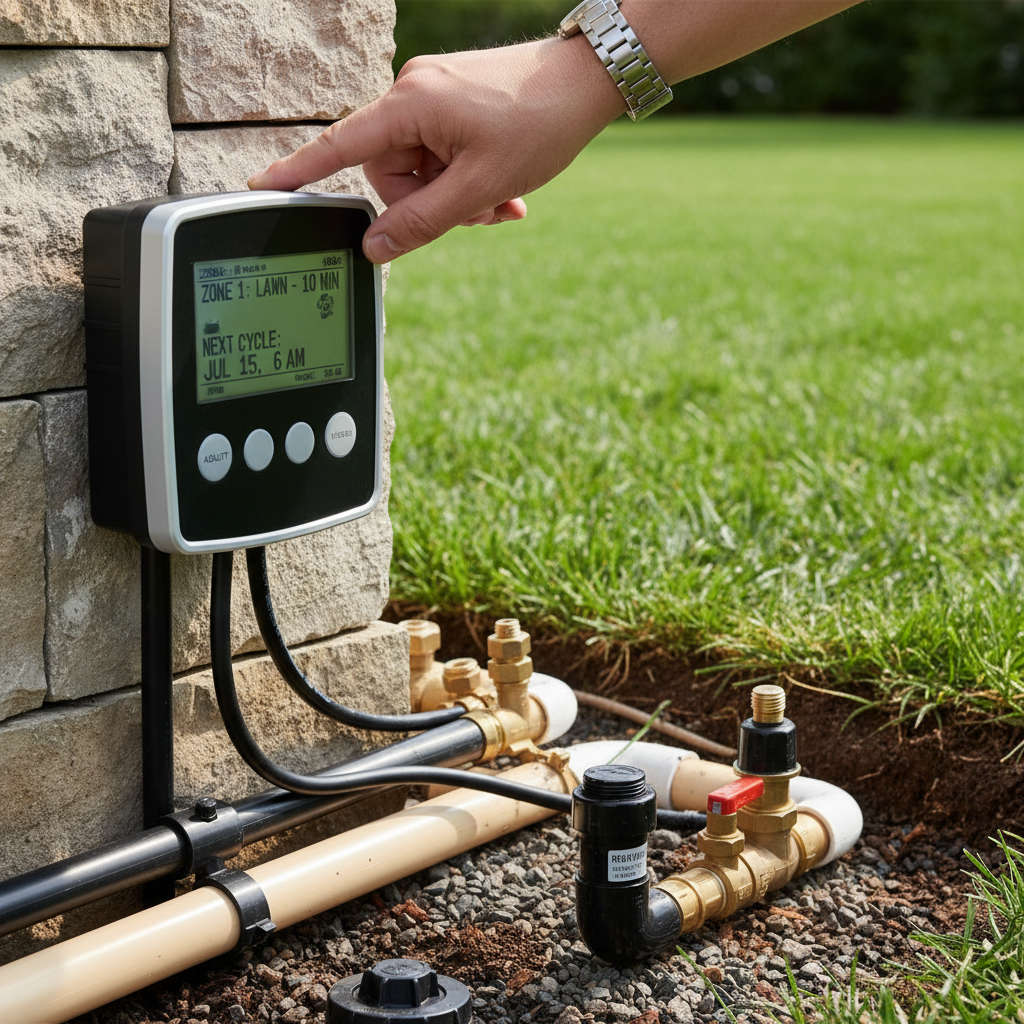
Types of Irrigation Systems
There are several types of irrigation systems, each suited to different needs and landscapes:
- Drip Irrigation: Delivers water directly to the base of the plant, ideal for gardens with a variety of plants.
- Sprinkler Systems: Best for large lawns, these systems can cover extensive areas efficiently.
- Soaker Hoses: Provide slow, even watering, suitable for vegetable gardens and flower beds.
Choosing the right system depends on the specific requirements of your lawn and garden, as well as your budget and maintenance preferences.
Impact on Plant Health
Adequate irrigation significantly impacts plant health. Consistent watering helps plants develop strong root systems, making them more resilient to pests and diseases. Additionally, well-watered plants are better equipped to withstand temperature fluctuations and extreme weather conditions.
On the other hand, over-watering can be just as detrimental as under-watering. Excess moisture can lead to root rot and other fungal diseases. Hence, understanding the specific water needs of your plants is essential to avoid these issues.
Environmental Considerations
Responsible irrigation practices contribute to environmental sustainability. By preventing water waste, you help conserve a precious resource, reducing your environmental footprint. Furthermore, healthy plants improve air quality and increase biodiversity, offering habitats for various species.
Adopting smart irrigation techniques, such as rain sensors and soil moisture monitors, can optimize water use, ensuring that your lawn and garden remain lush without excessive consumption.
Conclusion
In conclusion, irrigation plays a vital role in the health and beauty of your lawn and garden. By choosing and maintaining an effective irrigation system, you can promote plant health, conserve water, and enhance the aesthetic appeal of your outdoor spaces. Embrace the benefits of proper irrigation and enjoy a flourishing garden year-round.